Why the Whales Came
€9.50MORPURGO, MICHAEL

Showing 1953–1968 of 2004 resultsSorted by latest



The Winter’s Tale, one of Shakespeare’s later romantic comedies, offers a striking and challenging mixture of tragic and violent events, lyrical love-speeches, farcical comedy, pastoral song and dance, and, eventually, dramatic revelations and reunions. Thematically, there is a rich orchestration of the contrasts between age and youth, corruption and innocence, decline and regeneration. Both Leontes’ murderous jealousy and Perdita’s love-relationship with Florizel are eloquently intense.
In the theatre, The Winter’s Tale often proves to be diversely entertaining and deeply moving.
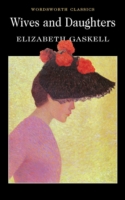
Gaskell’s last novel, widely considered her masterpiece, follows the fortunes of two families in nineteenth century rural England.? At its core are family relationships – father, daughter and step-mother, father and sons, father and step-daughter – all tested and strained by the romantic entanglements that ensue. Despite its underlying seriousness, the prevailing tone is one of comedy.? Gaskell vividly portrays the world of the late 1820s and the forces of change within it, and her vision is always humane and progressive. The story is full of acute observation and sympathetic character-study:? the feudal squire clinging to old values, his naturalist son welcoming the new world of science, the local doctor and his scheming second wife, the two girls brought together by their parent’s marriage…
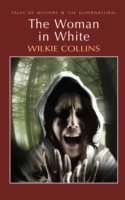
Wilkie Collins is a master of mystery, and The Woman in White is his first excursion into the genre. When the hero, Walter Hartright, on a moonlit night in north London, encounters a solitary, terrified and beautiful woman dressed in white, he feels impelled to solve the mystery of her distress. The intricate plot is peopled with a finely characterised cast, from the peevish invalid Mr Fairlie to the corpulent villain Count Fosco and the enigmatic woman herself.
