Showing 769–784 of 1012 resultsSorted by latest
-
€20.00
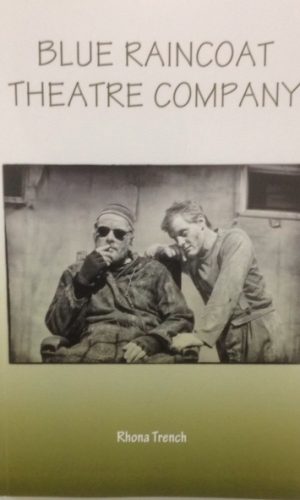
Blue Raincoat
Sligo?s Blue Raincoat Theatre Company reflects various aspects of place and space in their work, and their production of JM Synge?s The Playboy of the Western World (1907), directed by artistic director Niall Henry, which runs in their resident space in The Factory in Sligo, literally and symbolically represents their unique position as Ireland?s only full-time venue-based professional theatre ensemble.
-
€5.00
The Call of the Wild (1903) and White Fang (1906) are world famous animal stories. Set in Alaska during the Klondike Gold Rush of the late 1890s, The Call of the Wild is about Buck, the magnificent cross-bred offspring of a St Bernard and a Scottish Collie. Stolen from his pampered life on a Californian estate and shipped to the Klondike to work as a sledge dog, he triumphs over his circumstances and becomes the leader of a wolf pack.
The story records the ‘decivilisation’ of Buck as he answers ‘the call of the wild’, an inherent memory of primeval origins to which he instinctively responds. In contrast, White Fang relates the tale of a wolf born and bred in the wild which is civilised by the master he comes to trust and love. The brutal world of the Klondike miners and their dogs is brilliantly evoked and Jack London’s rendering of the sentient life of Buck and White Fang as they confront their destiny is enthralling and convincing.
The deeper resonance of these stories derives from the author’s use of the myth of the hero who survives by strength and courage, a powerful myth that still appeals to our collective unconscious.
-
€12.50
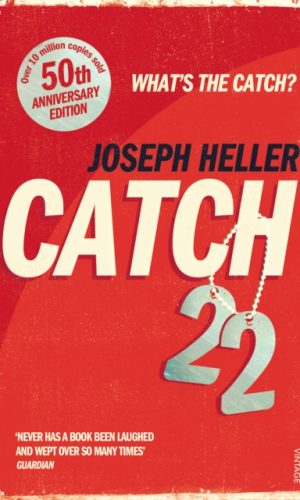
Explosive, subversive, wild and funny, 50 years on the novel’s strength is undiminished. Reading Joseph Heller’s classic satire is nothing less than a rite of passage. Set in the closing months of World War II, this is the story of a bombardier named Yossarian who is frantic and furious because thousands of people he has never met are trying to kill him.
His real problem is not the enemy – it is his own army which keeps increasing the number of missions the men must fly to complete their service. If Yossarian makes any attempts to excuse himself from the perilous missions then he is caught in Catch-22: if he flies he is crazy, and doesn’t have to; but if he doesn’t want to he must be sane and has to. That’s some catch…
-
-
€19.95
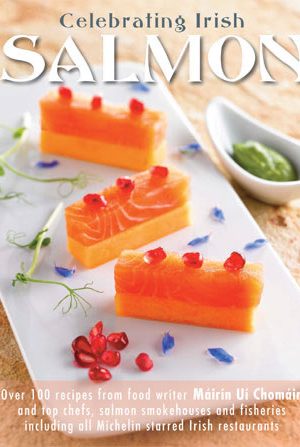
Over 100 recipes from food writer M?ir?n U? Chom?in and top chefs, salmon smokehouses and fisheries including all Michelin starred Irish restaurants.
-
€8.50
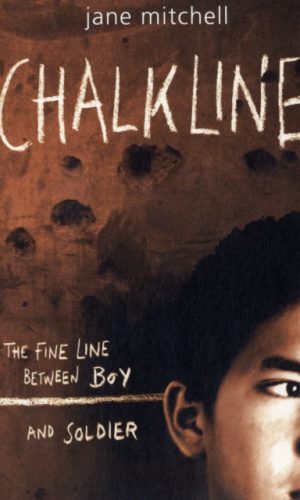
The moving story of a Kashmiri boy soldier, from a prize-winning Irish author. It’s an ordinary morning at nine-year-old Rafiq’s school in rural Kashmir when the silence of dawn prayers is ripped apart by gunfire. Soldiers of the Kashmir Freedom Fighters have raided the village in search of new recruits – they scrawl a line in chalk across the schoolroom wall, and any boy whose height reaches the line will be taken to fight.
-
€17.95
This title helps you learn the secret of magic and put on your own astounding magic show with these 20 step-by-step magic tricks to try at home. The Children’s Book of Magic demystifies the mystical by tracing the history of magic from ancient Egypt to the present day exploring the secrets behind some of the greatest magicians from Harry Houdini to Albertus Magnus. From coin tricks to sleight of hand The Children’s Book of Magic explains the best magic tricks for kids through engaging step-by-step sequences helping you master the perfect trick.
With 8 schools of magic and 20 magic tricks inside, you’ll learn how to cut a person in half, make objects levitate or even disappear! You’ll be well on your way to becoming the world’s best magician and putting on your very own magic show! Dive in and discover amazing magic tricks from the secrets of sleight of hand to captivating card tricks and the mysteries of misdirection for your own magic show.
-

-
€6.50
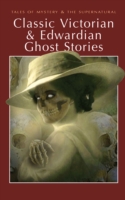
This is a book to be read by a blazing fire on a winter’s night, with the curtains drawn close and the doors securely locked. The unquiet souls of the dead, both as fictional creations and as ‘real’ apparitions, roam the pages of this haunting new selection of ghost stories by Rex Collings. Some of these stories are classics while others are lesser-known gems unearthed from this vintage era of tales of the supernatural.
There are stories from distant lands – ‘Fisher’s Ghost’ by John Lang is set in Australia and ‘A Ghostly Manifestation’ by ‘A Clergyman’ is set in Calcutta. In this selection, Sir Walter Scott (a Victorian in spirit if not in fact), keeps company with Edgar Allen Poe, Sheridan Le Fanu and other illustrious masters of the genre.
-
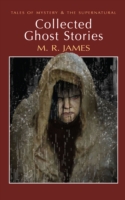
€4.50
M.R. James is probably the finest ghost-story writer England has ever produced. These tales are not only classics of their genre, but are also superb examples of beautifully-paced understatement, convincing background and chilling terror.
As well as the preface, there is a fascinating tail-piece by M.R. James, ‘Stories I Have Tried To Write’, which accompanies these thirty tales. Among them are ‘Casting the Runes’, ‘Oh, Whistle and I’ll come to you, My Lad’, ‘The Tractate Middoth’, ‘The Ash Tree’ and ‘Canon Alberic’s Scrapbook’.
‘There are some authors one wishes one had never read in order to have the joy of reading them for the first time. For me, M.R. James is one of these’.
Ruth Rendell
-
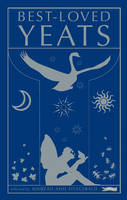
€14.95
Yeats Collection.
Test Field
-
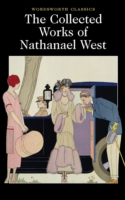
€4.00
The four novels gathered here constitute the complete longer works of one the most brilliant and original American writers. West’s vision of American modernity is terrifyingly comical and diagnoses the tawdriness and meretriciousness of much of American popular culture. His greatest work, Miss Lonelyhearts, which begins this collection, is unique in modern literature.
It describes New York in the early years of the Great Depression through the point of view of an ‘agony aunt’ who corresponds with his suffering readers in the guise of ‘Miss Lonelyhearts: (Are you in trouble? – Do you need advice?)’. A Cool Million is, as its subtitle suggests, the ‘dismantling’ of a myth, here a caustic satire of the ‘rags to riches’ story. West’s final novel, The Day of the Locust, is a comic, yet apocalyptic account of the fantasies of 1930s Hollywood.
This volume concludes with West’s parodic and surreal first venture into fiction, The Dream Life of Balso Snell. Henry Claridge’s introduction to this new edition of West’s fictional writings contextualises his work in the United States of the Great Depression, in his evocation of 1930s Hollywood (where he worked as a writer of screenplays), and in the larger context of his Eastern European Jewish background, and, particularly, his reading of Dostoyesvky. The text comes with extensive annotations, a note on the textual history of West’s writings, and a guide to further reading for both the student and the general reader.
-
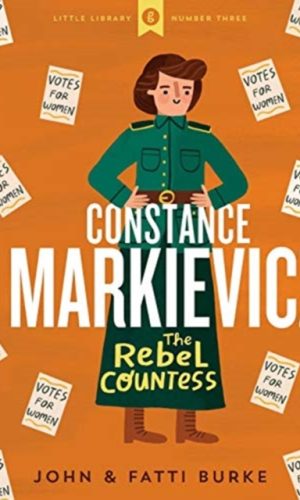
€10.95
The third book in the Little Library series. When your collection is complete, you’ll have a little library – and big knowledge!
Discover the REVOLUTIONARY that was CONSTANCE MARKIEVICZ!Constance Markievicz grew up in Co. Sligo in the late 1800s with a dream: she wanted Ireland to become free and the people to be treated fairly.
She spent her life working to make these things happen. With rebellion in the air, she was asked for advice on how a lady should dress. Her answer? ‘Dress suitably in short skirts and strong boots, leave your jewels in the bank and buy a revolver.’ And the Easter Rising began …
-
€9.95
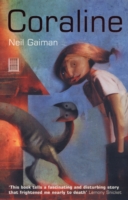
“Sometimes funny, always creepy, genuinely moving, this marvellous spine-chiller will appeal to readers from nine to ninety.” – “Books for Keeps”. “I was looking forward to “Coraline”, and I wasn’t disappointed. In fact, I was enthralled.
This is a marvellously strange and scary book.” – Philip Pullman, “Guardian”. “If any writer can get the guys to read about the girls, it should be Neil Gaiman. His new novel “Coraline” is a dreamlike adventure.
For all its gripping nightmare imagery, this is actually a conventional fairy story with a moral.” – “Daily Telegraph”. Stephen King once called Neil Gaiman ‘a treasure-house of stories’ and, in this wonderful novel, which has been likened to both “Alice in Wonderland” and the “Narnia Chronicles”, we get to see Neil at his storytelling best.
-

€5.00
Crime and Punishment is one of the greatest and most readable novels ever written. From the beginning we are locked into the frenzied consciousness of Raskolnikov who, against his better instincts, is inexorably drawn to commit a brutal double murder. From that moment on, we share his conflicting feelings of self-loathing and pride, of contempt for and need of others, and of terrible despair and hope of redemption: and, in a remarkable transformation of the detective novel, we follow his agonised efforts to probe and confront both his own motives for, and the consequences of, his crime.
The result is a tragic novel built out of a series of supremely dramatic scenes that illuminate the eternal conflicts at the heart of human existence: most especially our desire for self-expression and self-fulfilment, as against the constraints of morality and human laws; and our agonised awareness of the world’s harsh injustices and of our own mortality, as against the mysteries of divine justice and immortality.
-
€25.00
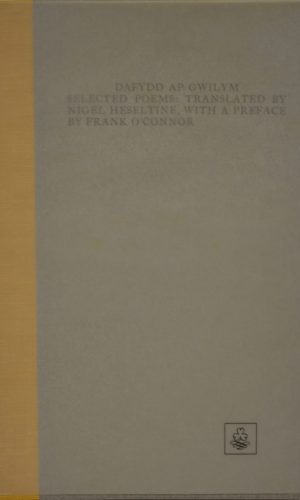
Shannon: Irish University Press, 1970. Photo-lithographic reprint of the Cuala Press original. 8vo, cloth-backed boards. Opaque dust Jacket.
Min VG